Understanding Wildlife Removal and Pest Control
Wildlife removal and pest control are essential services for homeowners facing issues with unwanted animals. These services not only ensure the safety and comfort of your living space but also protect the integrity of your property from potential damage caused by wildlife.
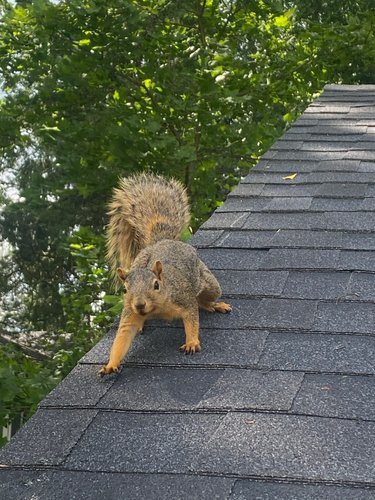
Effective wildlife removal involves identifying the species, understanding their behavior, and employing humane methods to remove them from your home. For instance, raccoons and squirrels can cause significant structural damage if they gain access to attics or basements, making timely intervention crucial.
Common Wildlife Problems in Ohio
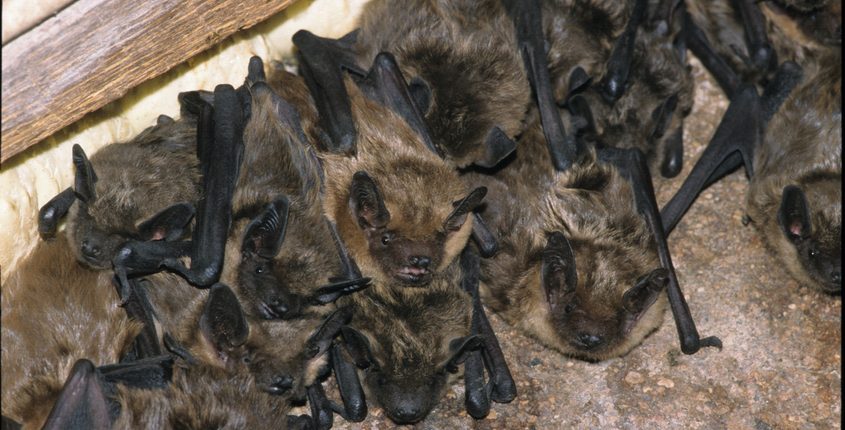
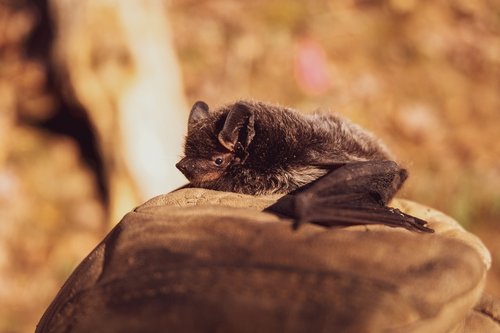
Ohio homeowners often encounter specific wildlife issues, including raccoons, bats, and squirrels. Each of these animals poses unique challenges and risks, necessitating tailored approaches for removal and prevention.
For example, raccoons are notorious for rummaging through trash and can transmit diseases. Bats, on the other hand, are protected by law in many areas, requiring specialized removal techniques. Understanding these common problems helps homeowners take proactive measures to safeguard their properties.
Signs of Wildlife Infestation
Recognizing the signs of wildlife infestation is the first step in addressing the problem. Homeowners should be vigilant for noises in the attic, droppings, and unusual marks on walls or entry points, which indicate the presence of animals.
For instance, scratching sounds at night might suggest a raccoon or squirrel is nesting in your home. Identifying these signs early can prevent more extensive damage and higher removal costs, making it essential to act quickly.
Post-Removal Wildlife Prevention Tips
After successfully removing wildlife from your home, it is vital to implement prevention strategies to avoid future infestations. This includes sealing entry points, securing trash, and maintaining a clean environment around your property.
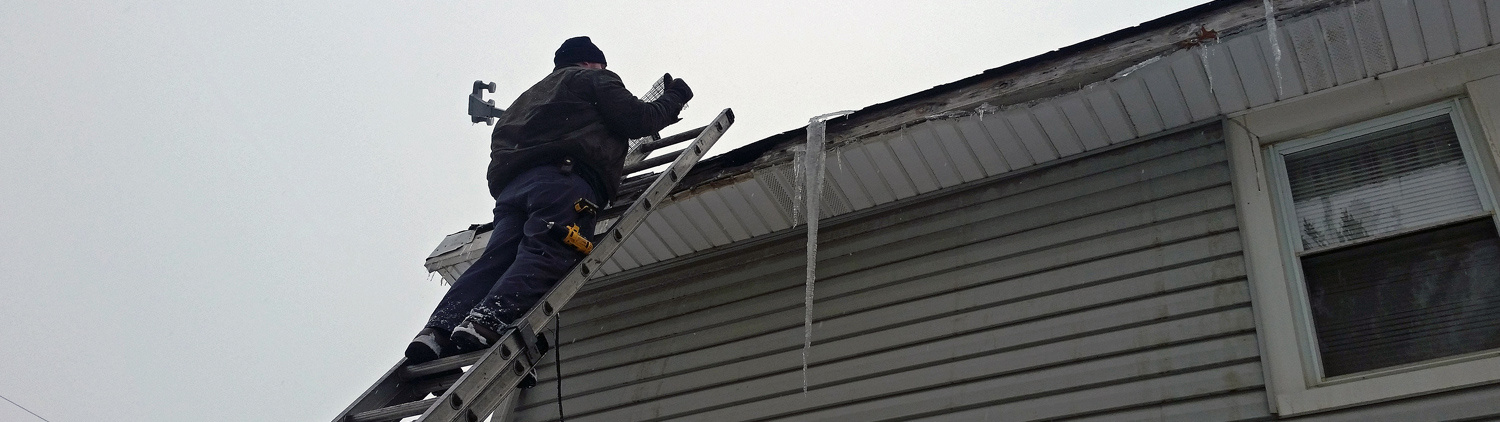
For example, installing chimney caps and repairing holes in walls can deter animals from re-entering. Additionally, educating yourself about local wildlife habits can help you stay one step ahead in maintaining a critter-free home.